
ZTE smart home scenarios gained a clearer AI direction during MWC Shanghai 2026, where ZTE showcased full-stack AI capabilities spanning AI factories, AIOS-powered ecosystems, innovative terminals, and AI-driven networks. Although the showcase covered a broad AI portfolio, its home-related content demonstrated how intelligent terminals can become entry points for a fully connected household experience.
The event reflected a broader industry trend. As AI agents become more common, users increasingly expect devices to understand context, coordinate services, and support daily routines without complex manual control. In the home, this means smart devices must move beyond isolated functions and work together as part of a more active intelligent environment.
AIOS as a Foundation for Home Services
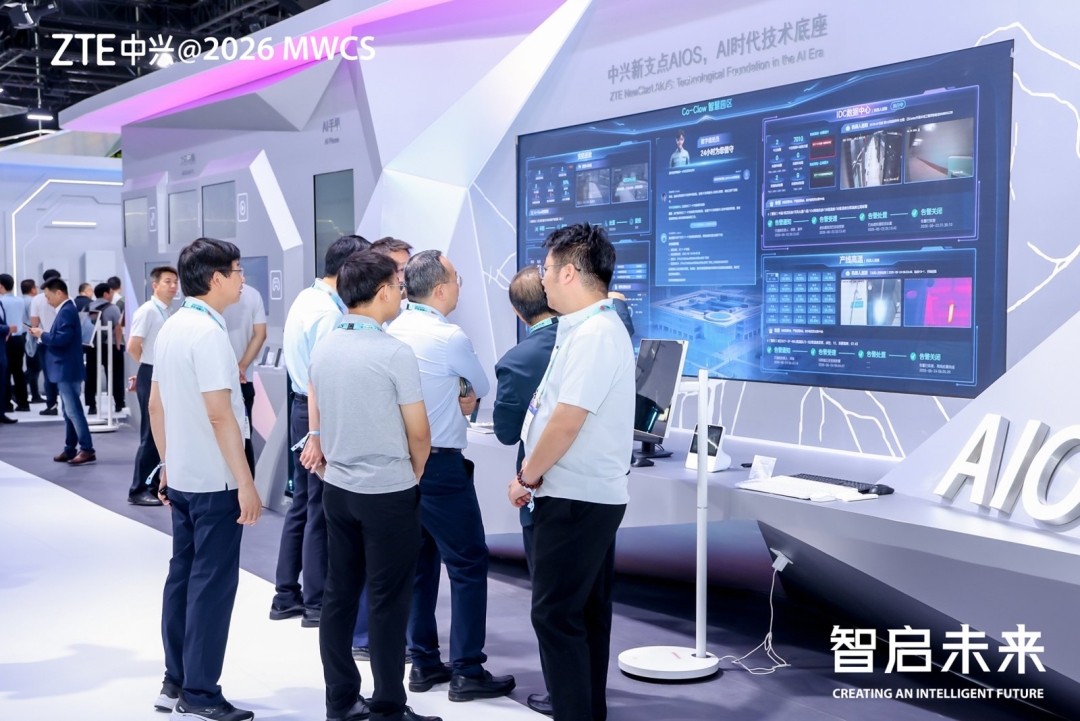
ZTE launched NewStart AIOS and positioned it as a technological foundation for the AI era. In the context of home applications, AIOS is important because it can support token scheduling, service orchestration, and closed-loop service output across devices and scenarios.
Built on AIOS, Co-Claw is an enterprise-level agent platform that is integrated into ZTE terminals and extends AI services into production and daily life. This connection between platform capability and terminal experience gives home services a stronger foundation for personalization, interaction, and coordination.
Innovative Terminals as Home Entry Points
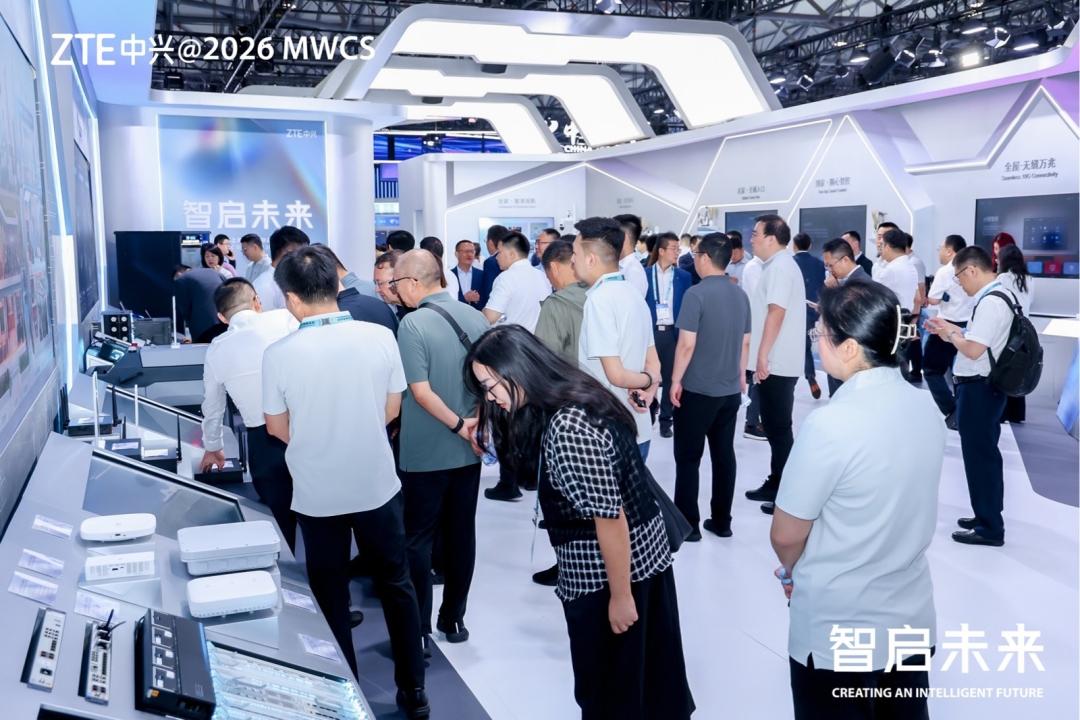
The official source notes that ZTE has launched innovative terminals with different screen sizes to serve as entry points to a fully connected smart home. These terminals can function as household AI assistants, AI entertainment companions, and AI security guardians.
This approach is different from treating smart home devices as separate gadgets. A screen-based terminal can become a central interface for communication, content, security, and family interaction. When connected with AI services, it can also help users access information, control experiences, and receive contextual responses more naturally.
From Passive Devices to Active Assistance
A fully connected smart home depends on devices that are always available and capable of responding to user needs. The source describes the home experience as always on and always active, pointing to a future in which terminals can provide continuous assistance rather than waiting for isolated commands.
As household AI assistants, terminals can support daily coordination, information retrieval, and service access. As entertainment companions, they can help create more personalized media experiences. As security guardians, they can contribute to household awareness and protection while remaining connected to broader intelligent services.
This kind of active assistance can reduce the complexity that often limits smart home adoption. Instead of asking users to manage multiple apps, devices, and settings, AI-enabled terminals can provide a more unified interface for everyday tasks and household services.
AI Devices Expand Personalized Experiences
ZTE also introduced an AI-native paradigm across devices such as AI phones, AI cloud PCs, AI smart displays, and FreeScreen. These products are designed to support personalized recommendations, contextual responses, and immersive interactions across travel, life, and work.
For home users, this device portfolio matters because smart living is no longer limited to a single room or a single device category. Personal devices, shared screens, cloud PCs, and smart displays can all contribute to a more continuous experience when they are connected through AIOS and agent capabilities.
The same user may move between work, travel, entertainment, and family scenarios throughout the day. A connected AI device portfolio can help maintain continuity across these moments, allowing services to follow user context rather than remaining locked inside one device.
Token Operations Create Service Potential
The showcase connected home scenarios with a larger token operations framework. As AI agents spread, competition is shifting from computing power scale to token efficiency. ZTE presented a value chain that spans token production, services, and circulation, enabling partners to unlock AI value at scale.
For smart home development, this matters because intelligent services require low-cost, reliable AI output. A household assistant, entertainment companion, or security guardian depends on responsive models and efficient infrastructure. The connection between AI factory capability and terminal service output helps explain how AI experiences can become more practical for everyday use.
Conclusion
The MWC Shanghai 2026 showcase positioned ZTE smart home development within a broader full-stack AI strategy. By combining AIOS, Co-Claw, innovative terminals, and AI-driven infrastructure, ZTE is building a path for home experiences that are more connected, contextual, and service-oriented.
The source material does not present a single standalone smart home product launch. Instead, it shows how home scenarios are becoming part of a larger AI ecosystem. That makes the direction significant: future smart home value will depend not only on devices, but also on the platforms, agents, and infrastructure that allow those devices to deliver intelligent services continuously.
For operators and ecosystem partners, this creates opportunities to move from basic device sales toward service-based experiences. As AI terminals become household assistants, entertainment companions, and security guardians, the connected home can become a more important part of everyday digital life.
Media Contact
Company Name: ZTE
Contact Person: Leo
Email: Send Email
City: Shenzhen
Country: China
Website: https://www.zte.com.cn/global/index.html